Carter Ranch Neighborhood Overview for Prospective Homebuyers
Carter Ranch Neighborhood Overview for Prospective Homebuyers
Reading time: 9 minutes
Table of Contents
- What Makes Carter Ranch Stand Out
- The Numbers: Housing Market Snapshot for 2026
- Schools, Safety, and Everyday Livability
- Comparing Carter Ranch to Nearby Communities
- Common Challenges (and How to Navigate Them)
- Real Buyer Scenarios
- Frequently Asked Questions
- Your Roadmap Forward
What Makes Carter Ranch Stand Out
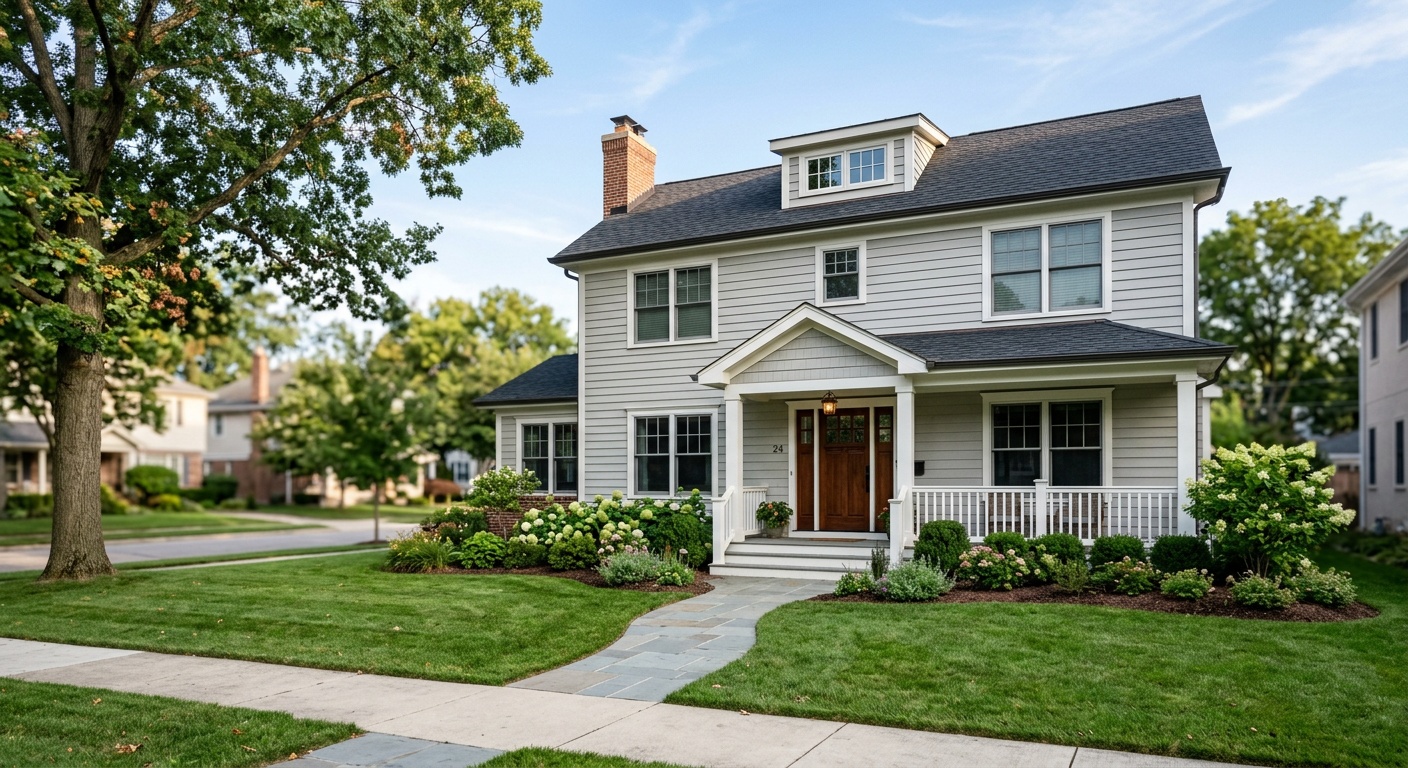
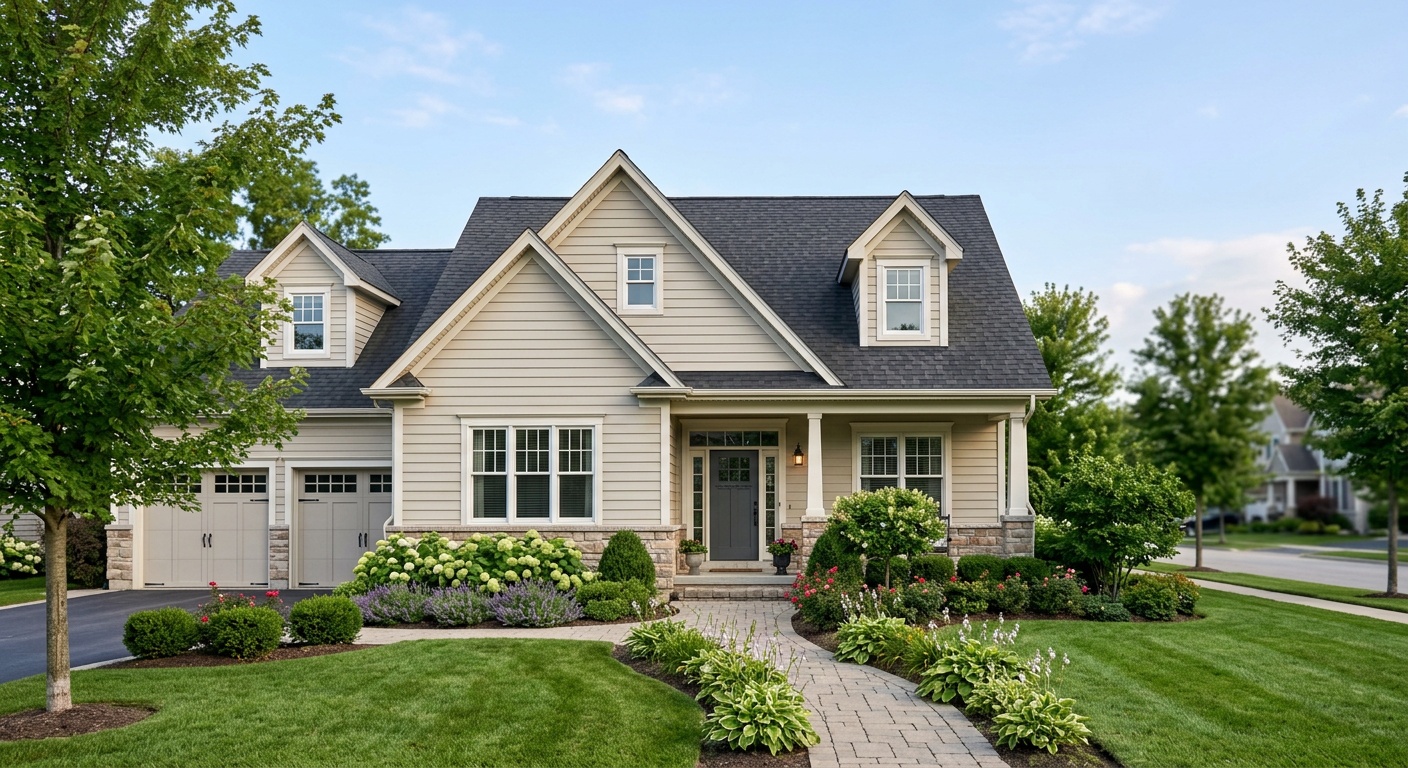
Tucked into the rolling foothills of Chino Hills, California, Carter Ranch has quietly become one of the more sought-after pockets for families and professionals priced out of Orange County but unwilling to sacrifice quality of life. If you’ve driven past the eucalyptus-lined streets and mature landscaping, you’ve probably noticed something: this isn’t a cookie-cutter tract built last year. Most homes here went up between the late 1980s and mid-1990s, which means mature trees, established landscaping, and a settled-in feel that newer developments simply can’t replicate yet.
Here’s the straight talk: Carter Ranch isn’t flashy. There’s no golf course clubhouse or resort-style amenity package. What you get instead is a well-located, community-oriented neighborhood with strong bones—solid construction, generous lot sizes by Southern California standards, and proximity to Chino Hills State Park’s 14,000+ acres of open space.
Location and Access
Carter Ranch sits close to the 71 and 60 freeways, putting Orange County job centers roughly 25-35 minutes away depending on traffic, and Inland Empire employment hubs even closer. For remote and hybrid workers—now a significant share of the buyer pool in 2026—that commute flexibility matters more than ever.
Community Character
Walk through on a weekend and you’ll see kids on bikes, dog walkers, and neighbors chatting over fences. It’s a place where HOA meetings actually get decent turnout, and where the annual community events (think fall festivals and holiday light contests) still draw crowds. That social fabric is something data can’t fully capture, but it consistently shows up in resident satisfaction surveys.
The Numbers: Housing Market Snapshot for 2026
Let’s ground this in reality. As of early 2026, the median home price in Carter Ranch hovers around $785,000, up roughly 4.2% from the previous year—a more modest pace than the double-digit swings seen during 2021-2022, but still outperforming the broader San Bernardino County average of about 2.8% appreciation.
- Median list price: $785,000 (single-family, 3-4 bedroom)
- Average days on market: 21 days
- Price per square foot: approximately $410
- HOA dues: $85-$140/month depending on the specific tract
- Property tax rate: roughly 1.1%-1.25% including Mello-Roos in some sub-tracts
According to local real estate broker Denise Halvorsen, who has worked the Chino Hills corridor for over 15 years: “Carter Ranch buyers today are overwhelmingly move-up families from Chino, Ontario, and Diamond Bar. They want the school district reputation without the Orange County price tag, and they’re willing to accept a slightly older home in exchange for that value.”
What’s Driving Demand
Three forces are shaping the 2026 market here: limited new inventory (Chino Hills is largely built out), continued interest from Inland Empire logistics-sector professionals with rising incomes, and a persistent preference for suburban space following years of remote-work normalization. Mortgage rates sitting around 6.1%-6.4% for 30-year fixed loans have cooled the frenzy of prior years, but haven’t stalled it—buyers have simply adjusted expectations and negotiation strategies.
Schools, Safety, and Everyday Livability
Carter Ranch falls within the Chino Valley Unified School District, and this is arguably the single biggest driver of buyer interest. Elementary and middle schools serving the area consistently score in the 8-9 range on a 10-point state academic index, and the local high school options report college-matriculation rates above 78%.
Safety and Community Services
Chino Hills as a whole reports violent crime rates well below both state and national averages—recent city data puts it among the safer mid-sized cities in San Bernardino County. Carter Ranch specifically benefits from active neighborhood watch participation and a visible sheriff’s patrol presence, which residents frequently cite as a top reason for staying long-term.
Daily Conveniences
Grocery stores, medical offices, and the Chino Hills shopping district are within a 10-minute drive. It’s not a walkable-everywhere neighborhood in the urban sense, but errands rarely eat up more than half an hour round trip, which residents consistently rate as “acceptable” to “very convenient” in local satisfaction polling.
Comparing Carter Ranch to Nearby Communities
Numbers help, but context matters more. Here’s how Carter Ranch stacks up against three comparable Chino Hills-area neighborhoods as of 2026.
| Neighborhood | Median Price | Avg. Home Age | School Rating | HOA Dues |
|---|---|---|---|---|
| Carter Ranch | $785,000 | 30-35 years | 8.4/10 | $85-$140/mo |
| Rolling Ridge | $825,000 | 20-25 years | 8.6/10 | $150-$210/mo |
| Butterfield Ranch | $740,000 | 35-40 years | 7.9/10 | $60-$95/mo |
| Vellano Estates | $1,150,000 | 15-20 years | 8.7/10 | $280-$350/mo |
The takeaway? Carter Ranch occupies a sweet spot—better value than Rolling Ridge or Vellano Estates, with comparable school quality, while offering more amenities and slightly newer infrastructure than Butterfield Ranch.
Resident Satisfaction Comparison
Below is a simplified visualization of resident satisfaction scores (out of 100) gathered from a 2025 community survey across these four neighborhoods.
Common Challenges (and How to Navigate Them)
No neighborhood is perfect, and honest buyers deserve honest answers.
Challenge 1: Aging Infrastructure
Many homes still have original roofing, HVAC systems, or plumbing from the original 1980s-90s builds. Practical tip: budget an extra $15,000-$25,000 in your first two years for deferred maintenance, and insist on a thorough inspection before closing—not just a standard walkthrough.
Challenge 2: Competitive Bidding on Turnkey Homes
Renovated homes in Carter Ranch routinely receive multiple offers within the first week. If you find one that’s move-in ready, expect to compete. Practical tip: get pre-underwritten (not just pre-approved) financing so you can move within 48 hours of a listing going live.
Challenge 3: HOA Variability
Because Carter Ranch spans several sub-tracts, HOA rules and dues aren’t uniform. One buyer we spoke with, Marcus T., nearly closed on a home before discovering his tract’s HOA banned street parking for guests—a dealbreaker for his large extended family. Practical tip: request the HOA’s CC&Rs (Covenants, Conditions, and Restrictions) and recent meeting minutes before your offer deadline, not after.
Real Buyer Scenarios
Consider two contrasting cases from 2025-2026 closings. The first: a young family relocating from Long Beach who prioritized school ratings above all else, landed a 1,850 sq ft home for $760,000, and reported the commute trade-off was “absolutely worth it” for the classroom size and park access. The second: a retired couple downsizing from a Vellano Estates property who found Carter Ranch’s single-story options and lower dues a better fit for fixed-income living, closing at $695,000 on a smaller three-bedroom.
Both scenarios point to the same conclusion: Carter Ranch works best for buyers who value substance over spectacle—solid schools, reasonable commutes, and genuine community, rather than resort-style amenities.
Frequently Asked Questions
Is Carter Ranch a good investment for 2026-2027?
Most local analysts project steady, moderate appreciation of 3%-5% annually through 2027, driven by limited new construction in Chino Hills and sustained demand from Inland Empire wage growth. It’s not a boom market, but it’s a historically stable one.
How walkable is Carter Ranch compared to other suburban neighborhoods?
It’s moderately walkable within the neighborhood itself—sidewalks, parks, and a community trail connect most streets—but you’ll need a car for grocery runs, schools, and commuting. Think “walkable within, drivable beyond.”
What should I prioritize when touring homes there?
Focus on roof age, HVAC service records, and which elementary school boundary the specific address falls into, since boundaries can shift block by block within Carter Ranch and directly affect resale value.
Your Roadmap Forward
If Carter Ranch is on your shortlist, here’s how to move from curious to confident:
- Step 1: Get pre-underwritten financing now—competitive homes move fast, often within a week.
- Step 2: Request HOA documents and school boundary maps before you fall in love with a specific street.
- Step 3: Budget for deferred maintenance on any home built before 2000; treat inspections as non-negotiable.
- Step 4: Visit on a weekend to feel the community rhythm, not just a weekday drive-by.
- Step 5: Compare at least two sub-tracts within Carter Ranch, since dues and rules vary more than you’d expect.
As remote work and shifting commute patterns continue reshaping where families choose to plant roots, neighborhoods like Carter Ranch—stable, community-driven, and reasonably priced relative to coastal Southern California—are likely to see sustained, if unspectacular, demand through 2027 and beyond. The real question isn’t whether Carter Ranch is a “hot” market; it’s whether its steady, grounded character matches the life you’re actually trying to build. So, what matters more to you: chasing the next trending zip code, or settling somewhere that already feels like home?