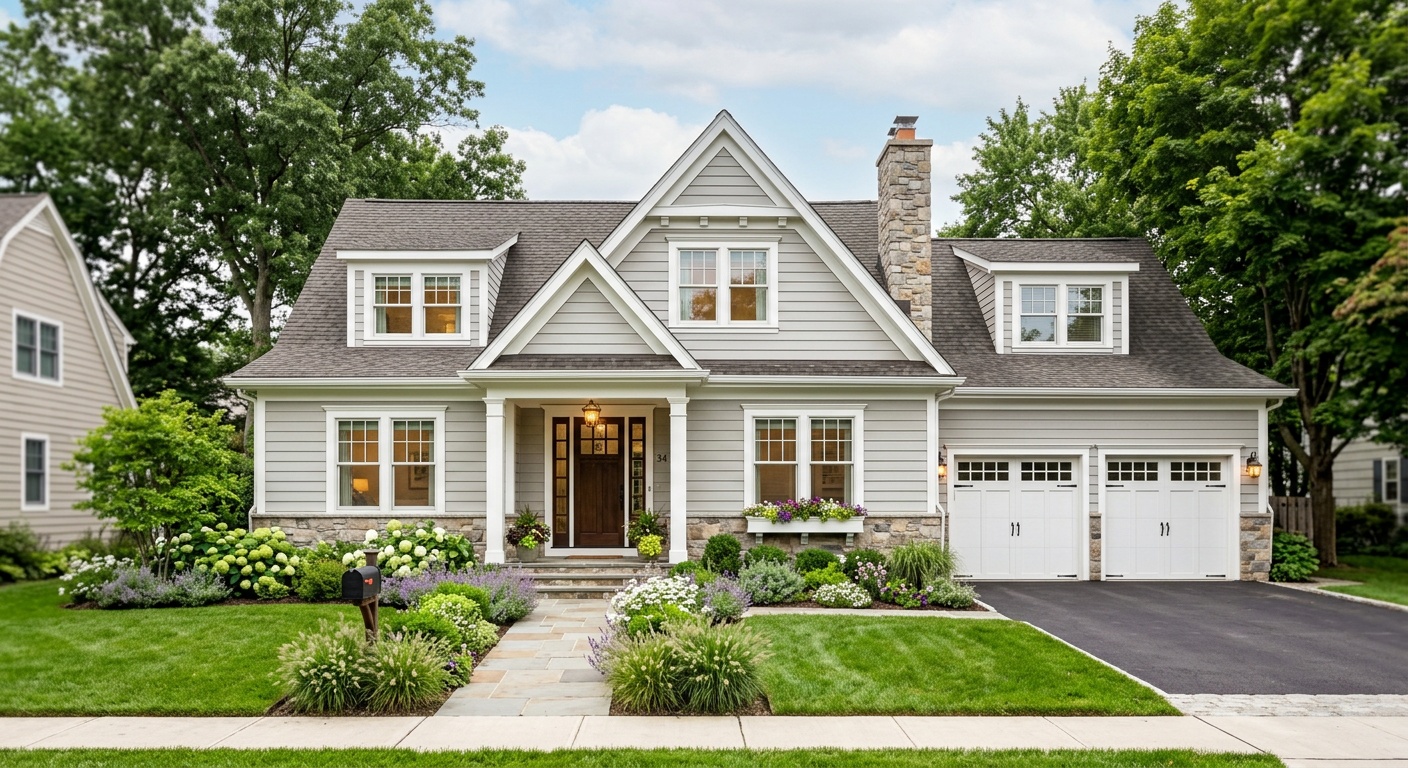
How to Determine Your Carter Ranch Home’s Market Value
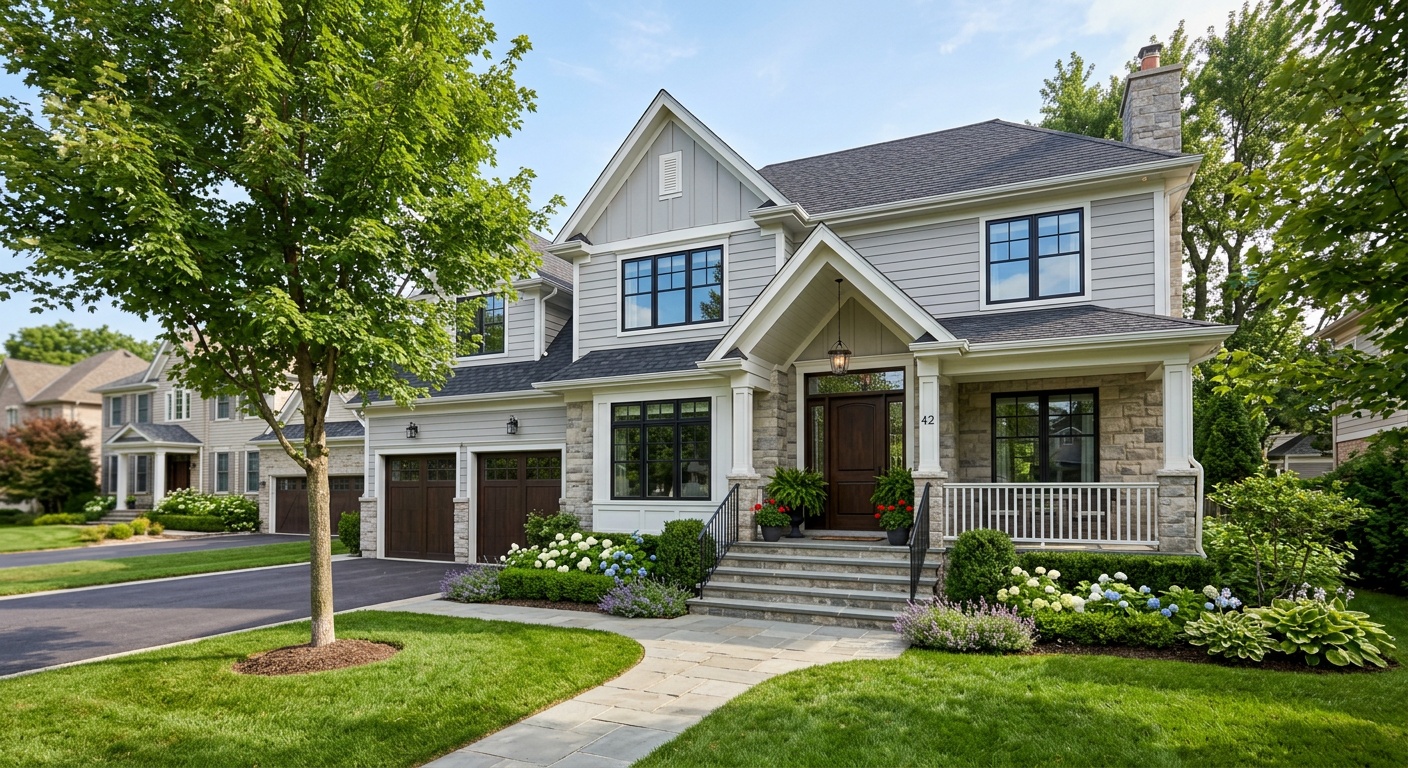
How to Determine Your Carter Ranch Home’s Market Value in 2026
Reading time: 8 minutes
If you’ve driven past a “Sold” sign on your Carter Ranch street lately and wondered, “Wait, how much did that place actually go for?”—you’re asking exactly the right question. Home values in this pocket of tree-lined cul-de-sacs and mid-century ranch layouts have shifted enough over the past two years that last year’s Zillow estimate might be doing you a disservice right now.
This guide walks you through the real methods appraisers, agents, and savvy homeowners use to pin down an accurate number in 2026—not a guess pulled from an algorithm that’s never set foot on your block.
Table of Contents
- Why Carter Ranch Valuations Are Different in 2026
- Step-by-Step: Calculating Your Home’s Value
- Comparing Valuation Methods
- Common Challenges Homeowners Face
- Case Studies from Carter Ranch Sellers
- Your Roadmap Forward
- FAQs
Why Carter Ranch Valuations Are Different in 2026
Carter Ranch isn’t a cookie-cutter subdivision. It’s a mix of original single-story ranch homes built in the 1960s and 70s, a scattering of remodeled or expanded properties, and the occasional newer infill build. That variety means a single “price per square foot” number for the whole neighborhood can be wildly misleading.
According to regional MLS data compiled through early 2026, the local housing market has cooled slightly from its 2023–2024 peak but remains historically strong, with median days-on-market hovering around 24 days—still a seller-friendly pace compared to the national average of roughly 45 days.
As one longtime local appraiser put it: “Two homes on the same street can differ by $80,000 in value simply because one has an updated kitchen and permitted ADU, and the other hasn’t been touched since the Reagan administration.”
What’s Driving Value Right Now
- Interest rate stabilization — Rates settling in the mid-6% range through 2026 have brought more buyers back into the market compared to the volatility of 2023-2025.
- School zone demand — Homes within the top-rated elementary boundary consistently sell 6-9% above neighborhood median.
- Lot size and privacy — Corner lots and homes backing to open space or greenbelt areas command a noticeable premium.
- Renovation status — Kitchen and bathroom updates completed within the last five years remain the single biggest value lever homeowners control.
Step-by-Step: Calculating Your Home’s Value
Well, here’s the straight talk: determining market value isn’t about finding one magic number—it’s about triangulating from multiple reliable sources until the picture becomes clear.
1. Pull Comparable Sales (Comps) From the Last 90 Days
Focus on homes within a half-mile radius that sold in the last three months, not the last three years. Older comps get skewed by rate changes and seasonal demand swings. Look for similar square footage (within 200 sq ft), similar lot size, and comparable bedroom/bathroom counts.
2. Adjust for Condition and Upgrades
This is where most online estimators fall flat—they can’t see inside your home. If your comp sold with original 1970s bathrooms and yours has been fully remodeled, you’ll need to manually adjust upward, typically by $15,000–$30,000 depending on the scope of work.
3. Factor in Lot Premiums and Layout
Carter Ranch has several lot configurations. A pie-shaped lot with extra yard space might add 3-5% to value, while a home backing directly onto a busy arterial road could see a 2-4% discount.
4. Cross-Reference With a Licensed Appraisal or CMA
Once you’ve built your own estimate, validate it. A Comparative Market Analysis (CMA) from a local agent is typically free, while a formal appraisal runs $400-$650 but provides a defensible, lender-grade figure.
Comparing Valuation Methods
Not all valuation tools are created equal. Here’s how the most common approaches stack up when applied to a Carter Ranch property:
| Method | Typical Accuracy | Cost | Best For |
|---|---|---|---|
| Online AVM (Zillow/Redfin) | ±8-12% | Free | Quick ballpark check |
| Agent CMA | ±3-5% | Free-$100 | Pre-listing pricing strategy |
| Licensed Appraisal | ±1-2% | $400-$650 | Refinancing, legal disputes |
| County Assessor Value | ±15-25% | Free | Tax purposes only |
| DIY Comp Analysis | ±5-8% | Free | Informed self-assessment |
Visualizing the Accuracy Gap
Here’s a simple breakdown of how close each method typically lands to a final appraised sale price, based on average deviation percentages:
Common Challenges Homeowners Face
Determining value sounds straightforward until you actually try it. Here are the three obstacles that trip up most Carter Ranch homeowners.
Challenge 1: Outdated or Sparse Comps
Because Carter Ranch has a limited inventory of homes, some months see almost no comparable sales at all. When this happens, widen your radius slightly or look at similar-era homes in adjacent neighborhoods with comparable school ratings and lot sizes.
Challenge 2: Emotional Overvaluation
It’s natural to think your home is worth more because of memories made there, but buyers don’t pay for nostalgia. Strip emotion from the equation and focus strictly on comparable data and documented upgrades.
Challenge 3: Ignoring Market Timing
Spring and early summer listings in this area have historically sold 4-7% higher than winter listings. If you’re valuing your home for a potential sale, factor in seasonal timing, not just static comps.
Case Studies from Carter Ranch Sellers
Case Study 1: The Underestimated Remodel
A homeowner on a quiet interior street assumed their home was worth roughly the neighborhood median because they’d only used online estimators. A formal CMA revealed their fully renovated kitchen and added half-bath pushed the value nearly $45,000 higher than the AVM suggested. They adjusted their asking price accordingly and received two offers within 10 days.
Case Study 2: The Overpriced Original
Another seller, relying on a neighbor’s recent high sale price, listed their untouched 1974 original-condition home at a similar figure. After 60 days without offers, a licensed appraisal showed they were overpriced by roughly 12% due to the lack of updates. A price correction led to a sale within three weeks.
Case Study 3: The Lot Size Surprise
A corner-lot homeowner discovered through a professional appraisal that their oversized lot—zoned for a potential ADU—added nearly 8% to their home’s value, a factor no online tool had accounted for.
Your Roadmap Forward
Determining your Carter Ranch home’s true market value in 2026 isn’t about chasing a perfect number—it’s about layering multiple data points until a confident, defensible figure emerges. As rates stabilize and buyer demand remains steady but selective, precision in pricing matters more than ever.
- Start with an online AVM for a rough baseline, but never rely on it alone.
- Pull 90-day comps within a half-mile radius and adjust for condition differences.
- Request a free agent CMA to validate your DIY numbers before making any big decisions.
- Invest in a licensed appraisal if you’re refinancing, settling an estate, or facing a legal need for accuracy.
- Time your listing strategically, leaning toward spring or early summer for maximum value capture.
The Carter Ranch market of 2026 rewards homeowners who do their homework—those who blend data with local knowledge tend to price accurately the first time, avoiding the costly cycle of price reductions and extended market time.
So, what’s your next move: pulling your own comps this weekend, or picking up the phone to schedule that CMA?
FAQs
How often should I check my Carter Ranch home’s value?
Once or twice a year is plenty unless you’re actively planning to sell, refinance, or make major renovations. Values in this market typically don’t shift dramatically month to month, but annual check-ins help you track equity growth accurately.
Do online estimators like Zillow work well for Carter Ranch homes?
They’re useful for a quick ballpark figure but tend to be off by 8-12% because they can’t account for interior condition, upgrades, or unique lot characteristics common in this neighborhood’s mixed housing stock.
Is a paid appraisal worth it if I’m not selling right now?
If you’re simply curious, a free agent CMA usually gives you enough accuracy. Save the paid appraisal for situations involving lenders, legal matters, or estate planning where a certified figure is required.