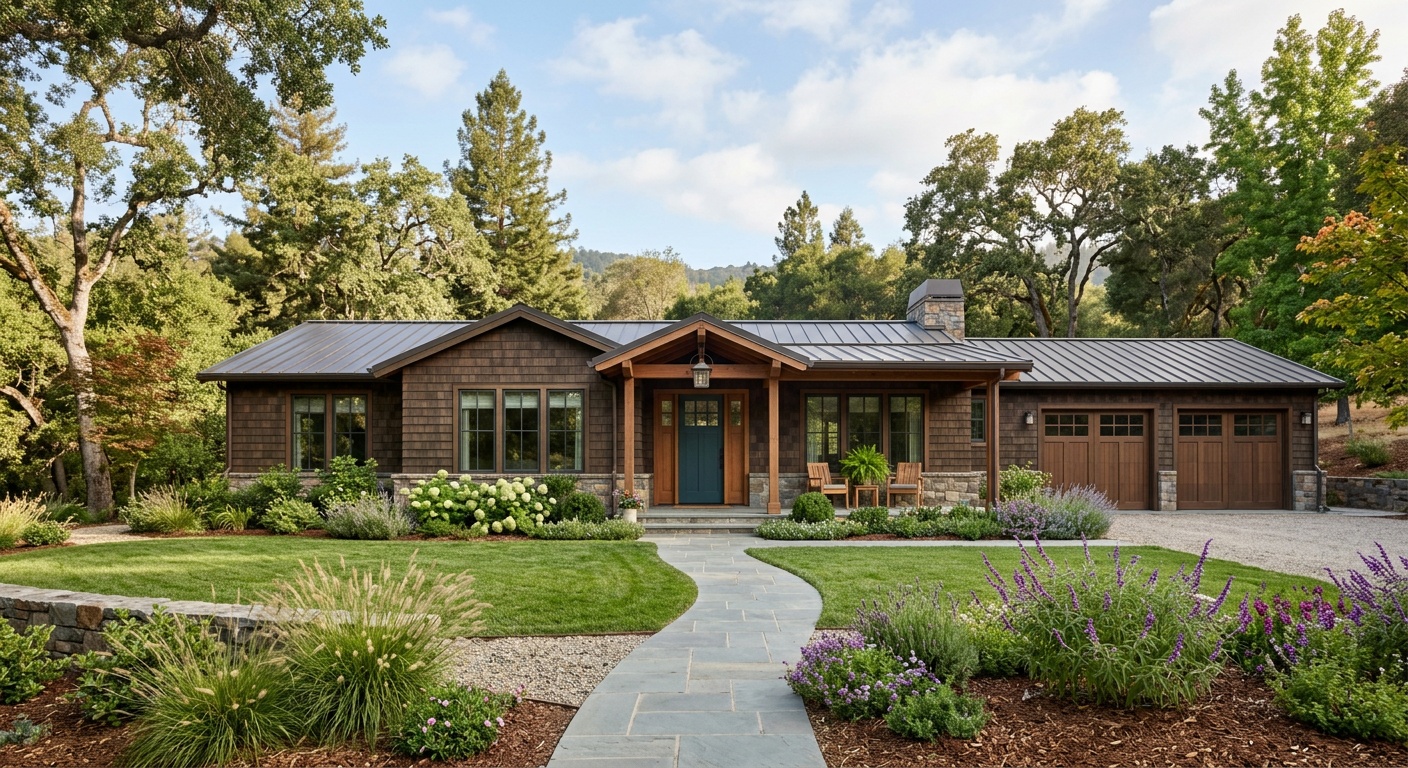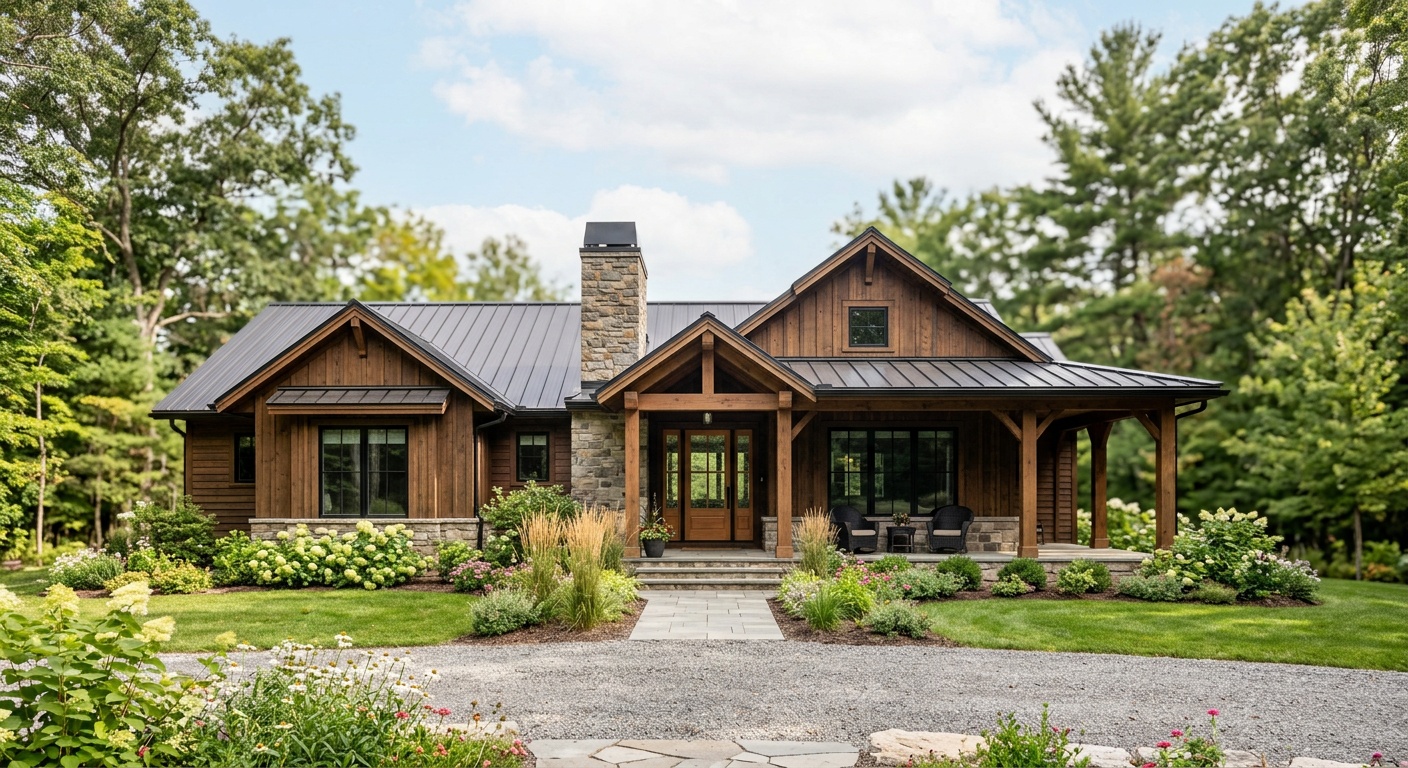
Steps to Calculate Your Carter Ranch House’s Current Market Value
Steps to Calculate Your Carter Ranch House’s Current Market Value
Reading time: 9 minutes
You bought your Carter Ranch home years ago, maybe back when the neighborhood was still filling in its last few lots. Now it’s 2026, mortgage rates have settled into the mid-6% range, and you’re staring at your kitchen table wondering: what is this place actually worth right now? Whether you’re refinancing, planning a sale, settling an estate, or just satisfying curiosity, getting an accurate number matters more than guessing based on what your neighbor sold for two years ago.
This guide walks you through the exact steps professional appraisers, real estate agents, and savvy homeowners use to pin down a defensible market value for a Carter Ranch property in today’s market.
Table of Contents
- Why Carter Ranch Values Are Shifting in 2026
- Step-by-Step Valuation Process
- Comparing Valuation Methods
- Common Challenges (and How to Solve Them)
- Visualizing the Value Drivers
- FAQs
- Your Valuation Roadmap Forward
Why Carter Ranch Values Are Shifting in 2026
Ranch-style neighborhoods like Carter Ranch have seen renewed demand as buyers—particularly downsizing boomers and remote-working families—prioritize single-story living, larger lot sizes, and lower maintenance exteriors. According to the National Association of Realtors’ 2026 mid-year housing report, single-story homes in suburban ranch communities are appreciating roughly 1.5 to 2 percentage points faster than comparable two-story properties in the same metro area.
That’s not universal, though. Local inventory, school district changes, and interest rate movement all pull values in different directions depending on your specific block. As one regional appraiser put it during a recent industry panel: “Ranch homes are having a moment, but ‘moment’ doesn’t mean uniform gains—two houses on the same street can diverge by six figures based on renovation history alone.”
What Makes Carter Ranch Unique
Most Carter Ranch developments share a few defining traits that directly affect valuation: consistent lot sizes (typically 0.25–0.4 acres), original construction dates clustered in a narrow window, and a mix of untouched original homes alongside heavily renovated ones. This uniformity is actually a valuation advantage—it makes comparable sales analysis more reliable than in mixed-era neighborhoods.
Step-by-Step Valuation Process
1. Pull Recent Comparable Sales (Comps)
Start with sales from the last 90 days within a half-mile radius. In 2026’s market, anything older than six months can already be stale, especially if local inventory is tight. Look for homes with:
- Similar square footage (within 10-15%)
- Same bedroom/bathroom count
- Comparable lot size and garage configuration
- Similar renovation status (updated kitchen, roof age, HVAC system)
Public county assessor sites, Redfin’s sold-listings filter, and your local MLS (accessible through an agent) are the three most reliable sources. Avoid relying solely on automated “Zestimate”-style figures—they’re useful as a sanity check, not a final answer.
2. Adjust for Condition and Upgrades
Once you have three to five solid comps, adjust for differences. A rough industry rule: a fully renovated kitchen adds 4-6% to value; a new roof installed within the last five years adds 2-3%; an unpermitted addition can actually subtract value due to lender financing complications. Be honest here—overestimating your own upgrades is the single most common mistake homeowners make.
3. Factor in Lot and Location Premiums
Corner lots, cul-de-sac positions, and proximity to whatever Carter Ranch’s community amenities are (a pool, greenbelt, or clubhouse) typically command a 3-8% premium. Conversely, homes backing onto a busy arterial road or commercial zone often see a discount of similar magnitude.
4. Apply a Market Trend Adjustment
If your most recent comp sold four months ago and the local market has appreciated 1% per month since (common in tight 2026 inventory conditions), add that compounding adjustment. This is where many DIY valuations fall short—they treat old comps as current data.
5. Cross-Check with a Professional Appraisal or CMA
Once you’ve built your own estimate, get a licensed appraiser or a real estate agent’s Comparative Market Analysis (CMA) to validate it. CMAs are typically free from agents hoping to list your home; formal appraisals run $450-$650 in most metro areas as of 2026 but carry more weight for refinancing or legal purposes.
Comparing Valuation Methods
Not every method fits every situation. Here’s how the four most common approaches stack up:
| Method | Typical Cost | Accuracy | Turnaround | Best For |
|---|---|---|---|---|
| Automated Estimate (AVM) | Free | ±8-12% | Instant | Quick curiosity check |
| Agent CMA | Free (with listing intent) | ±4-6% | 1-3 days | Pre-listing pricing |
| Licensed Appraisal | $450-$650 | ±2-3% | 5-10 days | Refinancing, legal, estate |
| DIY Comp Analysis | Free-$50 (data access) | ±6-10% | Half day | Budgeting, negotiation prep |
Common Challenges (and How to Solve Them)
Challenge 1: Not Enough Recent Comps
In smaller ranch communities like Carter Ranch, sales volume can be thin—sometimes just two or three closings per quarter. The fix: expand your radius slightly, but stay within the same school district and price tier, and lean more heavily on price-per-square-foot rather than raw sale price to normalize the comparison.
Challenge 2: Overvaluing Personal Renovations
Homeowners often assume a $40,000 kitchen remodel adds $40,000 in value. In reality, most renovation categories return 55-80% of cost in resale value, according to the 2026 Cost vs. Value report from Remodeling Magazine. Adjust your expectations accordingly, especially for highly personalized finishes.
Challenge 3: Ignoring Financing Conditions
With rates hovering around 6.3-6.7% for 30-year fixed loans in early 2026, buyer purchasing power is more constrained than it was during the ultra-low-rate years. This softens upward pressure on price even when demand looks strong on paper. Factor current rate environment into any trend adjustment you make.
Visualizing the Value Drivers
Below is a simplified breakdown of how much each factor typically swings a Carter Ranch home’s value, based on aggregated 2026 appraisal data from comparable single-story suburban markets.
A Quick Real-World Example
Consider a hypothetical Carter Ranch owner, Maria, who bought her 1,850 sq ft, three-bedroom home in 2019 for $312,000. By early 2026, three comps within a half-mile had sold in the last 90 days averaging $198 per square foot. Her home matched closely on size but had an upgraded kitchen (adding roughly 5%) and sat on a slightly larger corner lot (adding 6%). After adjustments, her estimated value landed near $402,000—confirmed within 2% by a licensed appraisal she ordered for refinancing purposes. The lesson: methodical adjustment beats gut instinct almost every time.
FAQs
How often should I recheck my Carter Ranch home’s value?
Once a year is reasonable for general awareness, but if you’re actively planning to sell, refinance, or contest a property tax assessment, get a fresh CMA or appraisal within 60-90 days of that decision. Markets can shift meaningfully in just a few months, especially with interest rate volatility persisting into 2026.
Do automated home value estimators work for ranch-style homes?
They’re a decent starting point but tend to struggle with ranch communities that have inconsistent renovation levels among similar-looking homes. Use AVMs for a ballpark figure, then refine with actual comps and, ideally, a professional opinion before making any financial decision.
Will a formal appraisal always come in higher than my own estimate?
Not necessarily. Appraisers are trained to be conservative and defensible, particularly for lending purposes. If your DIY estimate leaned heavily on optimistic comps or overvalued personal upgrades, the formal appraisal could come in lower—which is exactly why cross-checking matters before you set expectations with a buyer, lender, or family member.
Your Valuation Roadmap Forward
Getting to an accurate number isn’t about finding one magic tool—it’s about layering several data points until they converge. Here’s your practical next-step checklist:
- Pull three to five comps from the last 90 days within a half-mile of your Carter Ranch address.
- Adjust honestly for renovations, lot position, and condition—resist the urge to inflate your own upgrades.
- Layer in a market trend adjustment reflecting the current 2026 rate environment and local inventory levels.
- Validate with a professional—a free agent CMA at minimum, a paid appraisal if the number needs to hold up legally or financially.
- Revisit annually, or sooner if you’re planning a major financial move tied to your home’s equity.
As ranch-style communities continue outperforming broader housing trends in 2026, understanding your specific home’s value—not just the neighborhood average—puts you in a stronger position whether you’re negotiating, refinancing, or simply planning ahead. So, what’s your next move: run the numbers yourself this weekend, or bring in a professional to confirm what you already suspect?